
Best seller 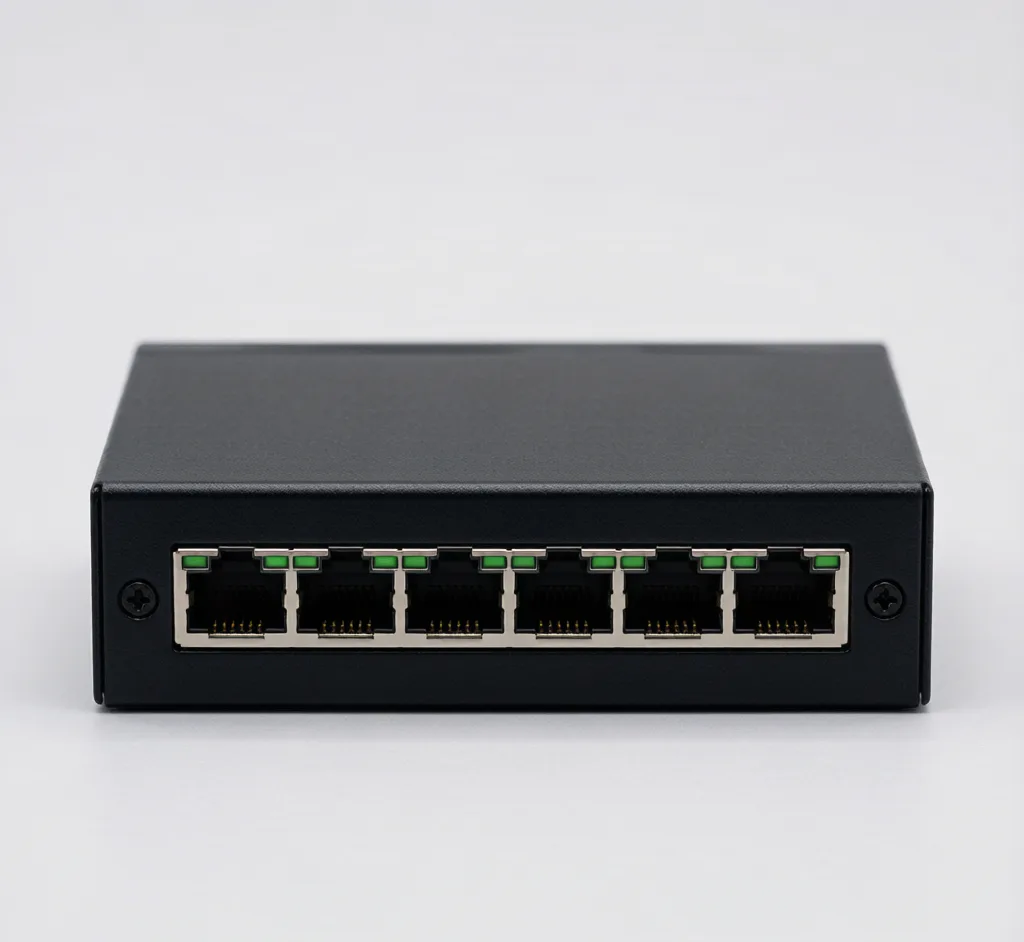
4-Port PoE Switch (802.3af)
Model: SF-POE-4P-AF
Compact 4-port 10/100 PoE switch, 48V, powers up to 4 IP cameras.
PoE Networking poe
Request a quote In stock
View details PoE Networking
Model: SF-POE-8P-AT
8-port 10/100 PoE switch, 48V, up to 30W per port for PTZ and high-power cameras.
💬 WeChat: 13924664587 — add us for fast quotes & product photos.
802.3af/at PoE, RJ45, BNC, DC 12V/24V — works with Hikvision, Dahua, Axis & more.
Covered against manufacturing defects. RMA & replacement via support.
Local / NVR storage by design. No cloud subscription required.
Integrates with standard VMS/NVR ecosystems — no vendor lock-in.
Dispatched globally with regional carriers.
Direct line for quotes, specs and install photos.
| Ports | 8 × 10/100 Mbps PoE + 1 × GbE uplink |
| Standard | IEEE 802.3at (30W/port) |
| Power Budget | ≤ 120W |
| Housing | Metal, fanless |
| VLAN | Supported |
| Range | 100m per port |
| Model | SF-POE-8P-AT |
| Brand | SurveilForge (independent) |
An 8-port PoE switch with IEEE 802.3at (PoE+) support, delivering up to 30W per port for PTZ cameras, heaters and high-power domes. Metal housing, fanless, with a separate gigabit uplink. Built for small-to-medium installs such as retail stores, offices and warehouses where up to 8 standard PoE cameras run on one neat switch.
Yes. 802.3at ports are backward compatible with 802.3af devices, so you can mix low-power domes and high-power PTZ units on one switch.
Yes. SurveilForge accessories use open surveillance standards — IEEE 802.3af/at PoE, RJ45, BNC, and DC 12V/24V — so they work with any camera brand that follows those standards, including Hikvision, Dahua, Axis, Reolink and others. We are an independent brand, not affiliated with any camera OEM.
Yes. We ship worldwide; lead time and carrier depend on the destination and order size.
Standard products are available as single units in the shop. OEM or custom-branded orders start at a minimum of 300 pieces.
All products carry a 12-month warranty against manufacturing defects. Contact our support team for RMA and replacement.
Be the first to review this product
Verified buyers help other installers choose the right gear. Share your setup and we'll feature it here.
⏱ Takes about a minute · published within 1–2 business days.
Model: SF-POE-4P-AF
Compact 4-port 10/100 PoE switch, 48V, powers up to 4 IP cameras.
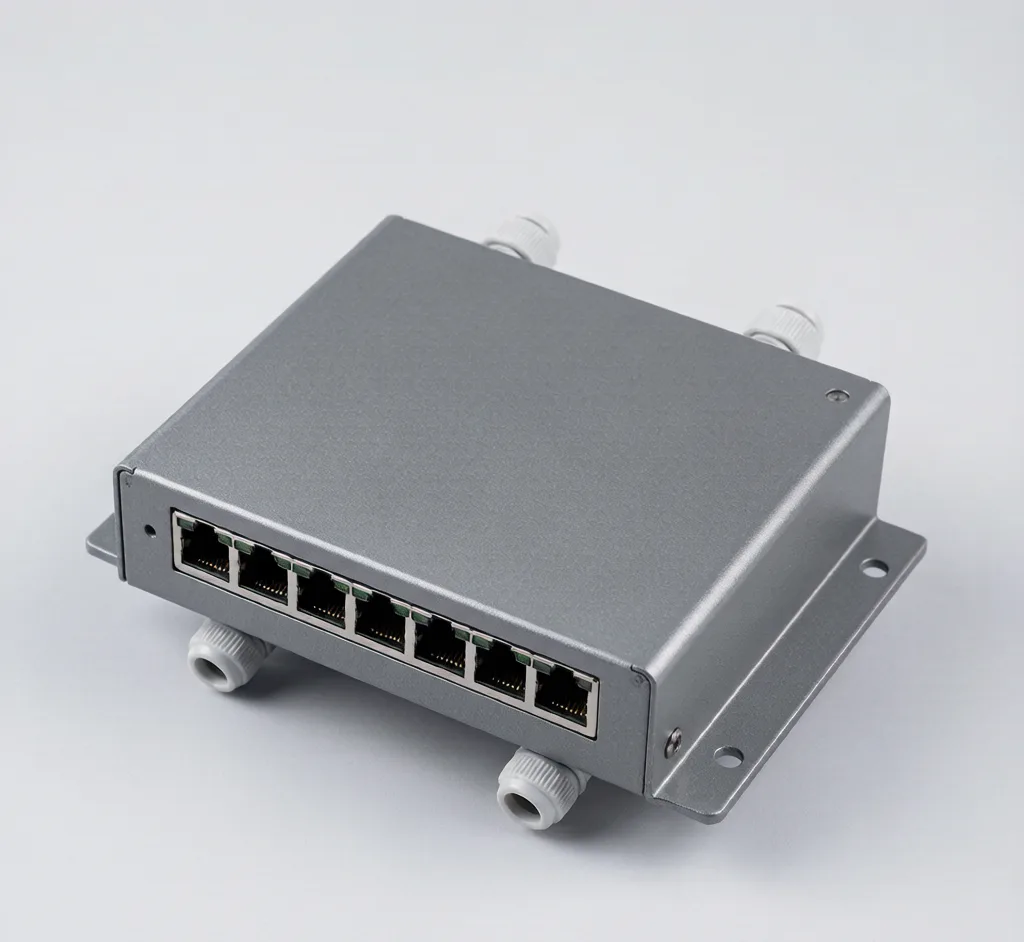
Model: SF-POE-8P-OUT
IP66 outdoor PoE switch with surge protection for perimeter and parking camera runs.
Model: SF-POE-16P
16-port 10/100 PoE switch for mid-size multi-camera deployments.
Model: SF-POE-24P
24-port gigabit PoE switch for campus and enterprise surveillance backbones.
Planning, sizing and install tips that use this product:

Plan an 8-camera IP system the right way: one PoE port per camera, plus an uplink, and why an 8-port 802.3at switch is the sweet spot.
Cover a retail shop with the right number of cameras and a properly sized PoE switch, plus an audible alarm layer for deterrence.
PoE switch vs injector: a switch powers many cameras from one edge; an injector adds PoE to a single port. Here is how to choose.
Hikvision-compatible accessories that just work: standards-based PoE switches, cables and mounts at a fraction of OEM cost. See the full brand guide.
A practical PoE switch buying guide for CCTV: count ports, pick 802.3at for PTZ/4K, choose gigabit for 4K, and match the budget to the install size.
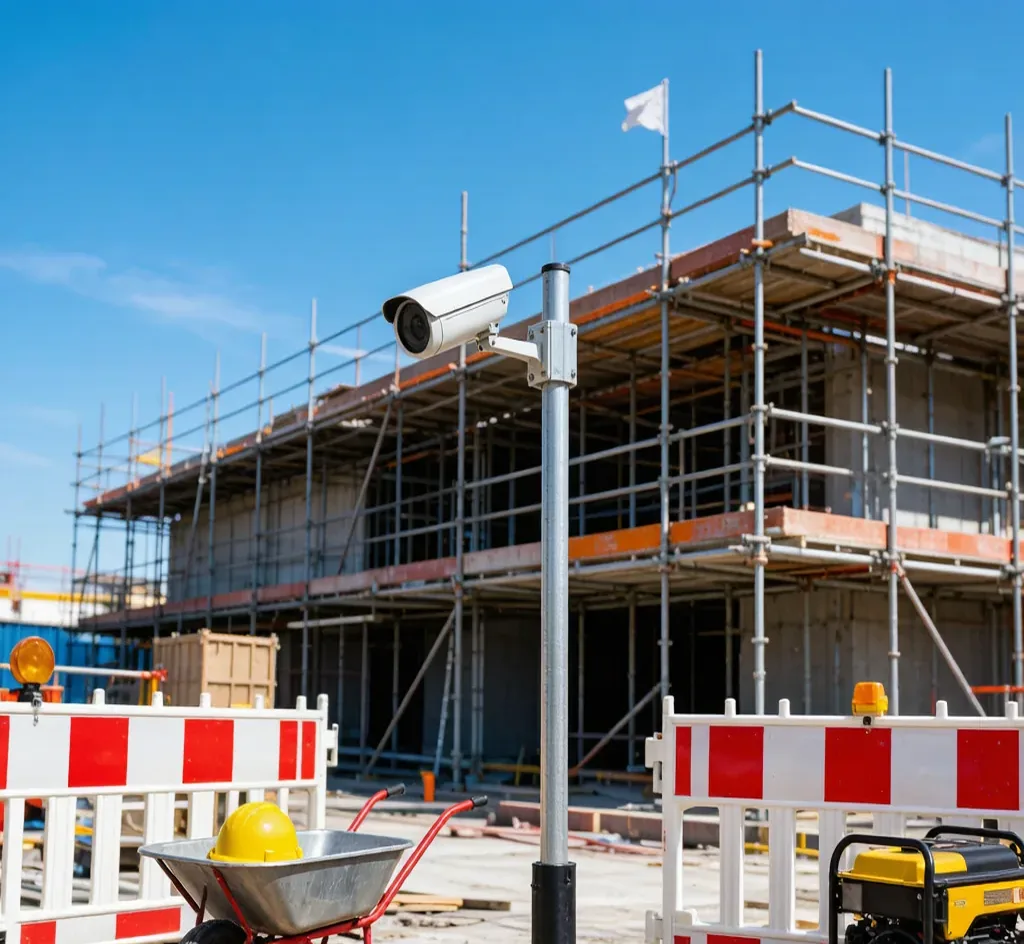
Hikvision, Dahua and Axis cameras all speak open PoE, RJ45, BNC and DC standards — so switches, cables, mounts and power are interchangeable. Only brand-locked software and protocols are not.
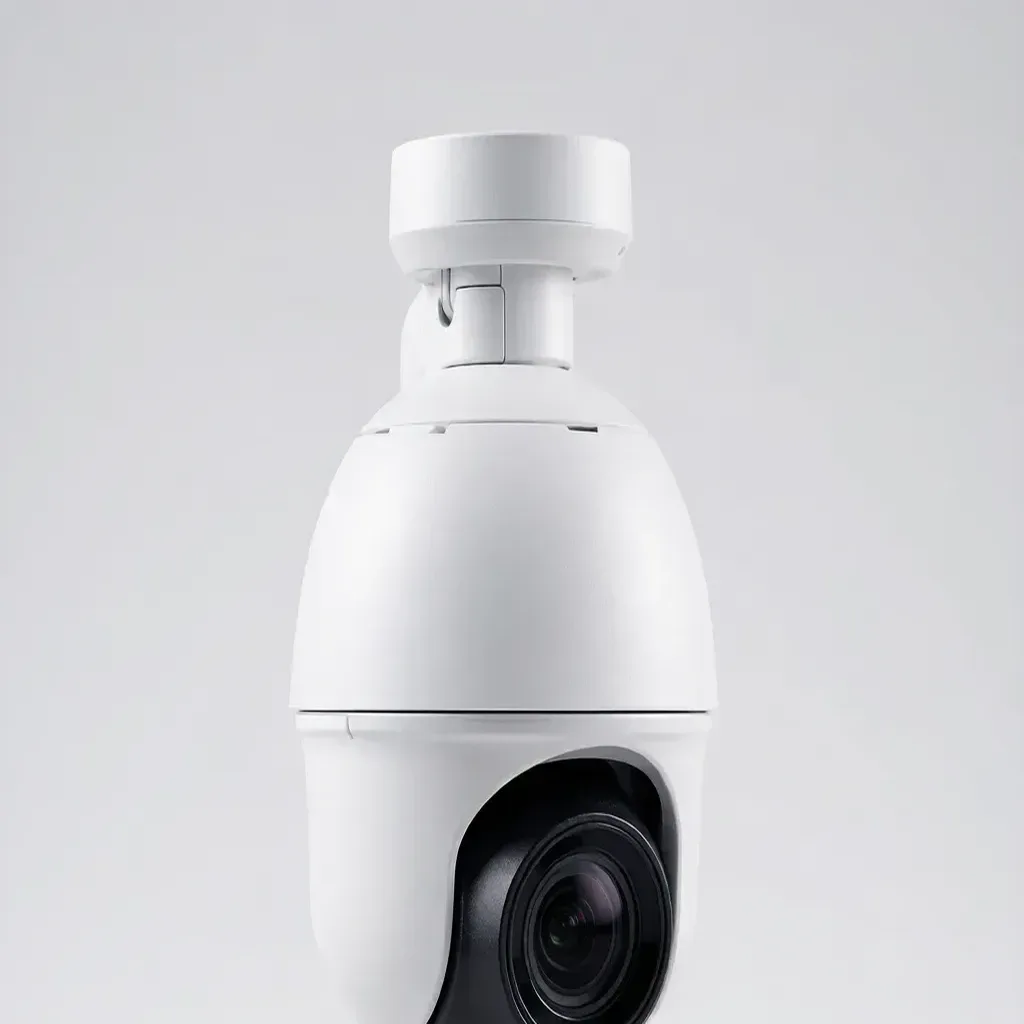
PTZ vs fixed: a PTZ covers a wide open area from one mount but needs 802.3at power; fixed cameras cost less and watch a known view 24/7.
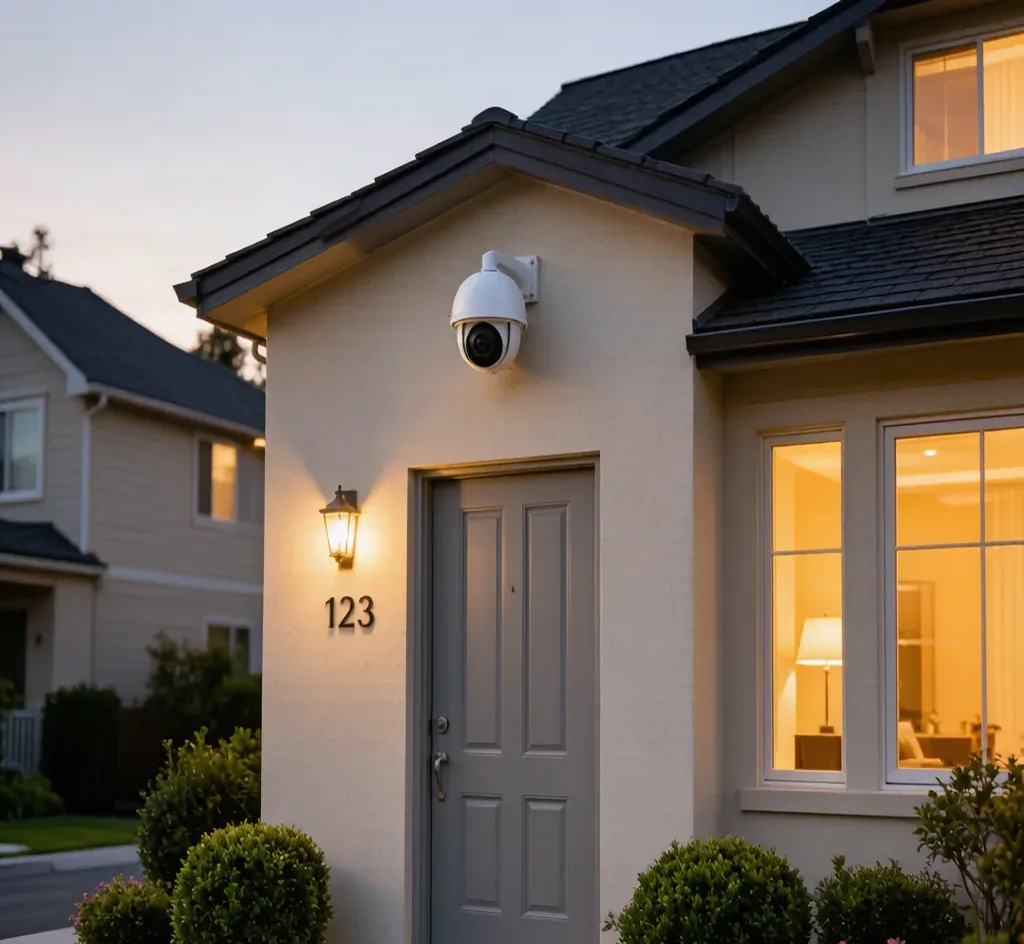
WiFi needs no cable but shares your wireless network; PoE gets power and data on one Cat6 and never drops off. For most installs, PoE wins on reliability.
A dark PoE camera is almost always a power problem: wrong port, bad termination, >100m run, or too few watts. Seven checks get it back online.
Connect an IP camera to an NVR in three physical steps plus an on-screen add. Built-in PoE ports or a separate switch both work via ONVIF.
Offices want coverage without looking like a fortress: ceiling domes, a compact NVR, a quiet switch and motion alerts — pointed at shared spaces only.
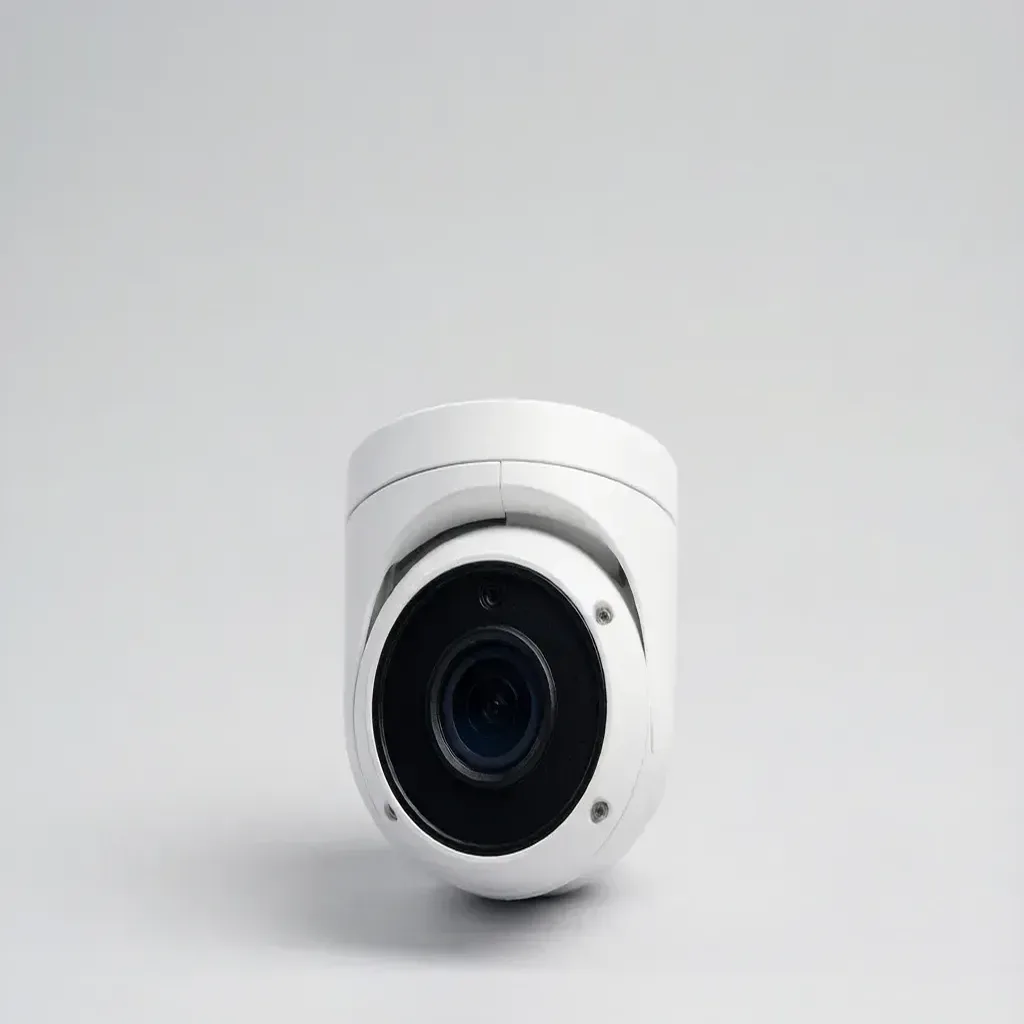
Wired wins on reliability and never needs Wi-Fi; wireless wins on no-dig installs. Most sites use both — PoE for the core, wireless for the spots you cannot cable.
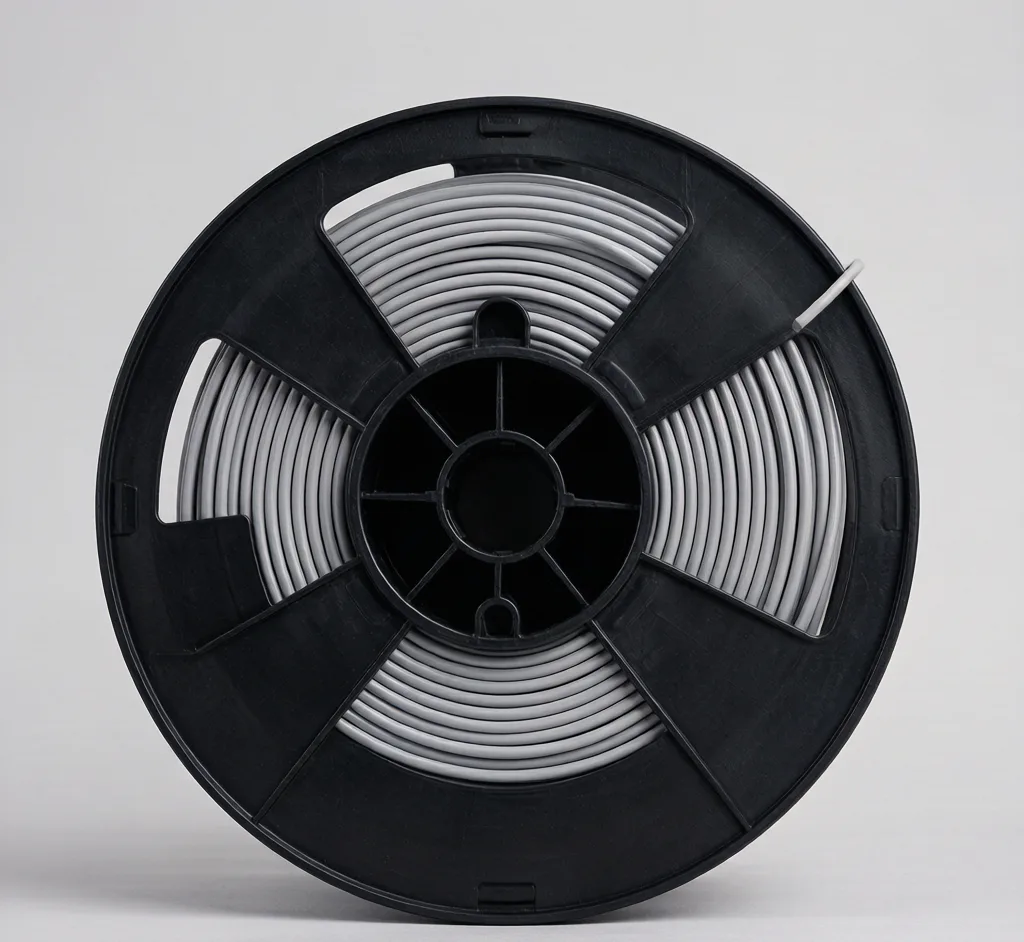
New IP installs use Cat6 — one cable does data and power. Keep RG59 only for analog or HD-over-coax cameras you already own.
A practical watt table for PoE cameras and the simple math to size a PoE switch so no port runs starved.
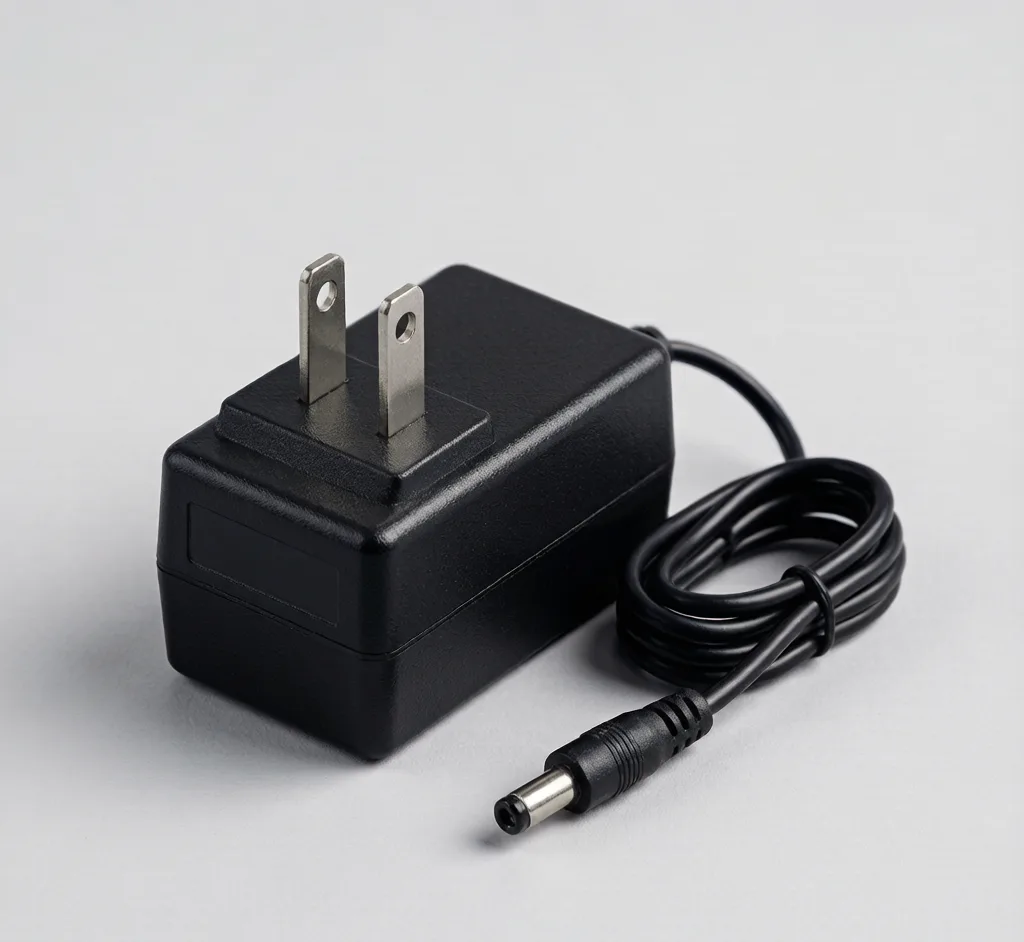
PoE runs power and data on one Cat6 cable; 12V needs a separate power line. Here is when to choose each.
Cat6 PoE stops at 100m by spec. To go further, break the run with fiber, a second switch, or a wireless bridge.
Conversations may be saved to improve our support. No personal data required.